



Cadillac Models by Year
Cadillac has long been synonymous with American luxury and innovation, earning its reputation as a symbol of style and sophistication. From its inception in 1902, Cadillac has continually set benchmarks in the automotive industry, introducing iconic models that have redefined what luxury means across decades. This blog explores Cadillac's evolution through its most memorable models by year, showcasing the brand’s commitment to innovation, performance, and design.
Cadillac in the Early 1900s: Precision and Durability
In the early 1900s, Cadillac quickly established itself as a leader in automotive engineering. The 1903 Cadillac Model A, Cadillac's first vehicle, showcased its emphasis on precision and durability. The brand's reputation was further cemented in 1908 when Cadillac won the prestigious Dewar Trophy for its interchangeable parts system, a groundbreaking achievement that set the standard for automotive manufacturing. This focus on quality and reliability became a hallmark of Cadillac's identity and was evident in the 1915 Cadillac Type 51, which introduced the first V8 engine in a mass-produced vehicle. This innovation not only enhanced performance but also set Cadillac apart as a pioneer in engineering excellence.

1920s and 1930s: Aesthetic and Technological Innovations
The 1920s and 1930s were transformative years for Cadillac, as the brand embraced a new era of luxury and sophistication. The 1927 Cadillac LaSalle, designed by Harley Earl, marked Cadillac's foray into automotive design as an art form. With its sleek and elegant lines, the LaSalle was a departure from the utilitarian designs of the time, solidifying Cadillac's position as a style leader. In 1930, Cadillac introduced the V16 engine in the Cadillac Sixteen, a technological marvel that offered unparalleled smoothness and power. These innovations reflected Cadillac's dedication to providing its customers with vehicles that combined engineering prowess with aesthetic appeal.
1940s: Post-War Resurgence
The 1940s saw Cadillac rise to prominence despite the challenges of World War II. Production shifted during the war years, with Cadillac contributing to the war effort by manufacturing tanks and military equipment. Post-war, Cadillac returned to creating luxury vehicles with the 1947 Cadillac Series 62, which featured tailfins inspired by aircraft design. These fins became a defining characteristic of Cadillac's styling, leading to the 1949 Cadillac Coupe de Ville, which introduced the industry's first modern overhead-valve V8 engine. This combination of performance and design set the stage for Cadillac’s dominance in the luxury car market during the 1950s.
1950s: The Golden Age of Cadillac
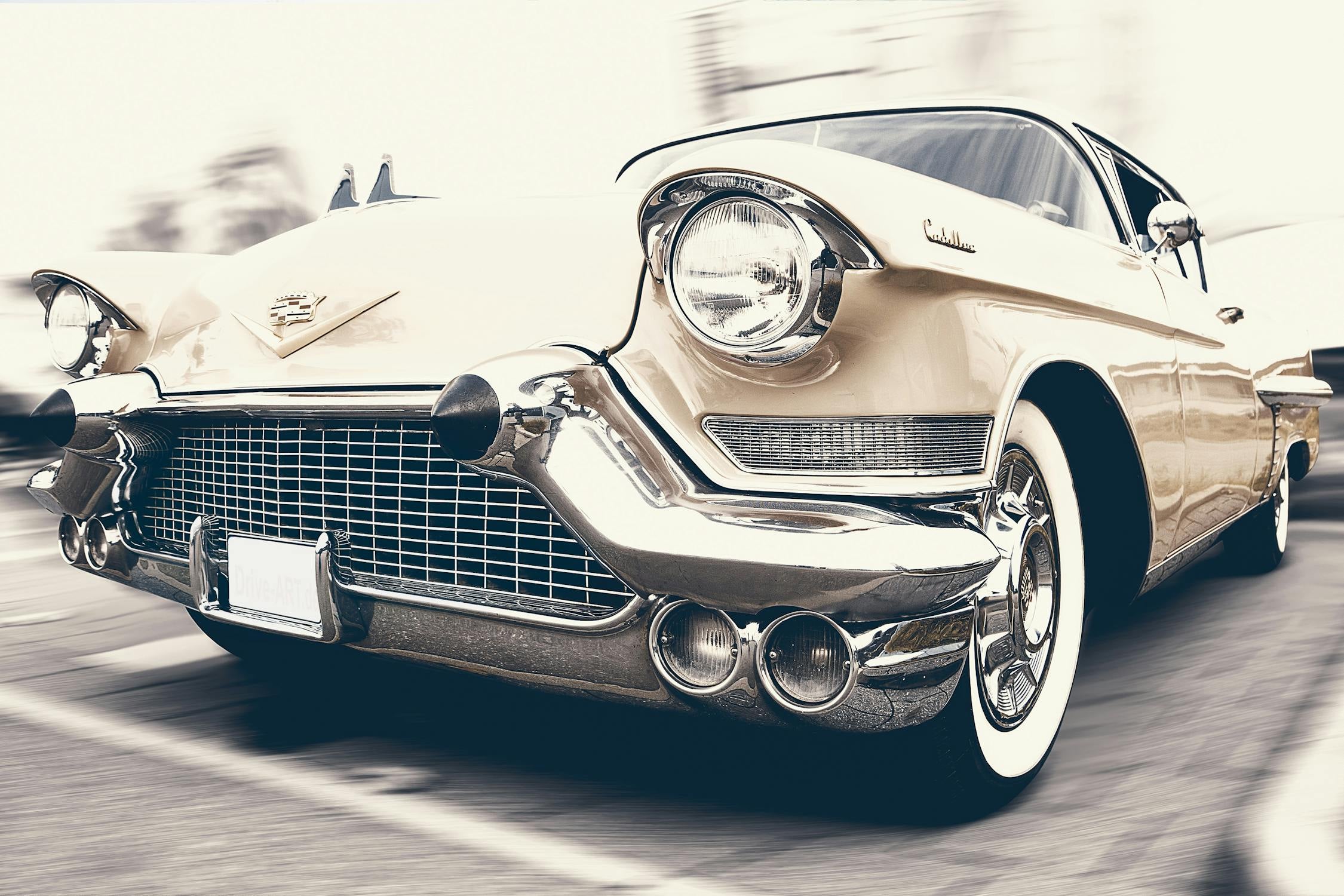
The 1950s were the golden age of Cadillac, as the brand's vehicles became symbols of status and success. The 1953 Cadillac Eldorado, a limited-edition convertible, epitomized luxury with its opulent design and advanced features, such as power windows and a wraparound windshield. In 1957, Cadillac introduced the Eldorado Brougham, a hand-built masterpiece featuring air suspension, memory seats, and a stainless steel roof. These models demonstrated Cadillac's ability to blend cutting-edge technology with unparalleled craftsmanship, ensuring its place as the pinnacle of American automotive luxury.
1960s: Modern Elegance and Performance
The 1960s continued Cadillac’s legacy of innovation and elegance. The 1963 Cadillac Fleetwood Eldorado introduced frameless glass windows and a cleaner, more refined design that appealed to a modern audience. The 1967 Cadillac Eldorado was a milestone, featuring a front-wheel-drive platform that offered improved handling and performance while maintaining Cadillac's trademark luxury. This period also saw the introduction of the 1969 Cadillac DeVille, a full-size luxury sedan that became a best-seller for the brand, thanks to its spacious interior, powerful V8 engine, and timeless styling.
1970s: Adapting to New ChallengesThe 1970s brought challenges for the automotive industry, including stricter emissions regulations and the oil crisis. Despite these hurdles, Cadillac adapted by focusing on innovation and comfort. The 1975 Cadillac Seville marked Cadillac's entry into the compact luxury car market, catering to a growing demand for smaller, fuel-efficient vehicles. Meanwhile, the 1976 Cadillac Eldorado Convertible was celebrated as the "last American convertible," embodying Cadillac’s flair for bold design. These models reflected Cadillac’s resilience and ability to evolve with changing market demands.
1980s and 1990s: A Time of Reinvention
The 1980s and 1990s saw Cadillac redefine itself in response to increasing competition from European and Japanese luxury brands. The 1982 Cadillac Cimarron was an attempt to capture the compact luxury market but faced criticism for its lack of distinction. However, Cadillac rebounded with the 1992 Cadillac Seville STS, which featured advanced technology, a Northstar V8 engine, and a focus on performance-oriented luxury. The 1999 Cadillac Escalade marked Cadillac’s entry into the luxury SUV segment, quickly becoming a status symbol and a key driver of the brand’s resurgence.
2000s: A New Era of Bold Styling
The 2000s ushered in a new era for Cadillac, defined by bold styling and advanced technology. The introduction of the "Art and Science" design philosophy brought angular, modern lines to models like the 2003 Cadillac CTS. The CTS was a turning point for Cadillac, offering dynamic performance and attracting a younger demographic. In 2004, Cadillac unveiled the XLR, a luxury roadster with a retractable hardtop and magnetic ride control, showcasing Cadillac’s commitment to innovation. The Escalade continued its dominance, evolving into a flagship model synonymous with luxury and power.
2010s: Expanding Lineups and Embracing Technology
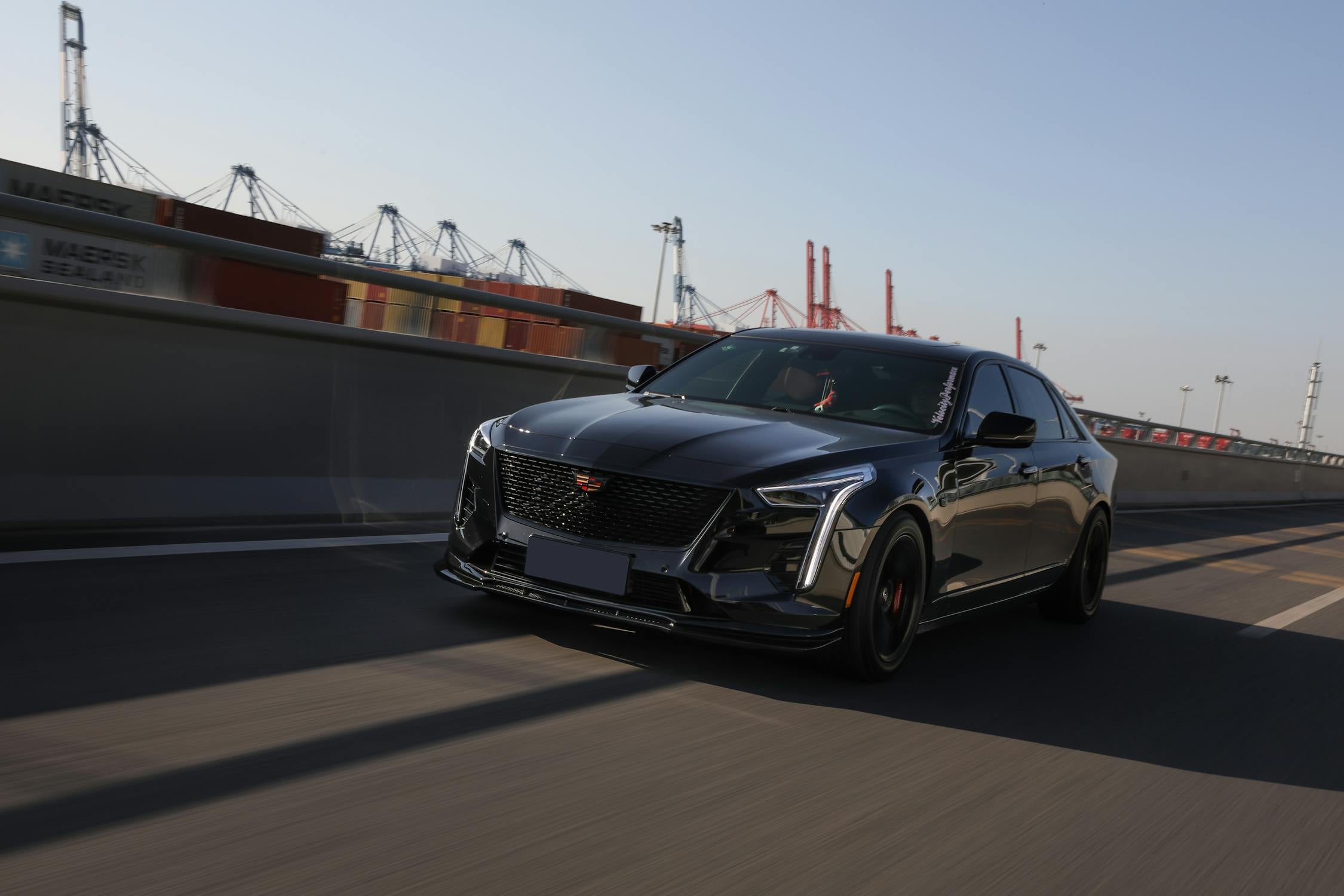
In the 2010s, Cadillac focused on expanding its lineup and embracing cutting-edge technology. The 2013 Cadillac ATS was designed to compete with compact luxury sedans like the BMW 3 Series, offering sharp handling and an engaging driving experience. The 2016 Cadillac CT6 introduced Cadillac’s lightweight platform and advanced driver-assistance technologies, including Super Cruise, the first true hands-free driving system for highways. These models reinforced Cadillac’s commitment to delivering vehicles that blended luxury, performance, and technology.
2020s: Electrification and the Future of Cadillac
The 2020s mark Cadillac’s transition to electrification, aligning with the industry’s shift toward sustainability. The 2023 Cadillac Lyriq, the brand’s first all-electric SUV, represents a bold step forward, combining a striking design with advanced technology and impressive range. The Lyriq is a testament to Cadillac’s ability to innovate while staying true to its legacy of luxury. Cadillac plans to expand its electric lineup with models like the Celestiq, a flagship EV that promises to redefine ultra-luxury with hand-built craftsmanship and groundbreaking features.
Conclusion
Cadillac’s journey through the decades reflects its ability to adapt and innovate while maintaining its status as a luxury icon. From the engineering breakthroughs of the early 20th century to the bold designs of the 1950s and the technological advancements of today, Cadillac has consistently pushed the boundaries of what a luxury vehicle can be. As the brand embraces an electrified future, its legacy of innovation and excellence ensures that Cadillac will continue to be a leader in the automotive world.

Effective October 7th, 2024, there will be a 3% surcharge on all credit card payments. You may avoid this surcharge by paying via debit, check or cash.